Why Is My Hair Falling Out?
Hair Fall reasons : Seeing your hair on pillow, bathroom floor and on clothes can be worrying. But hair fall is not a serious problem. It is normal to lose 50 to 100 stands of your hair every day,
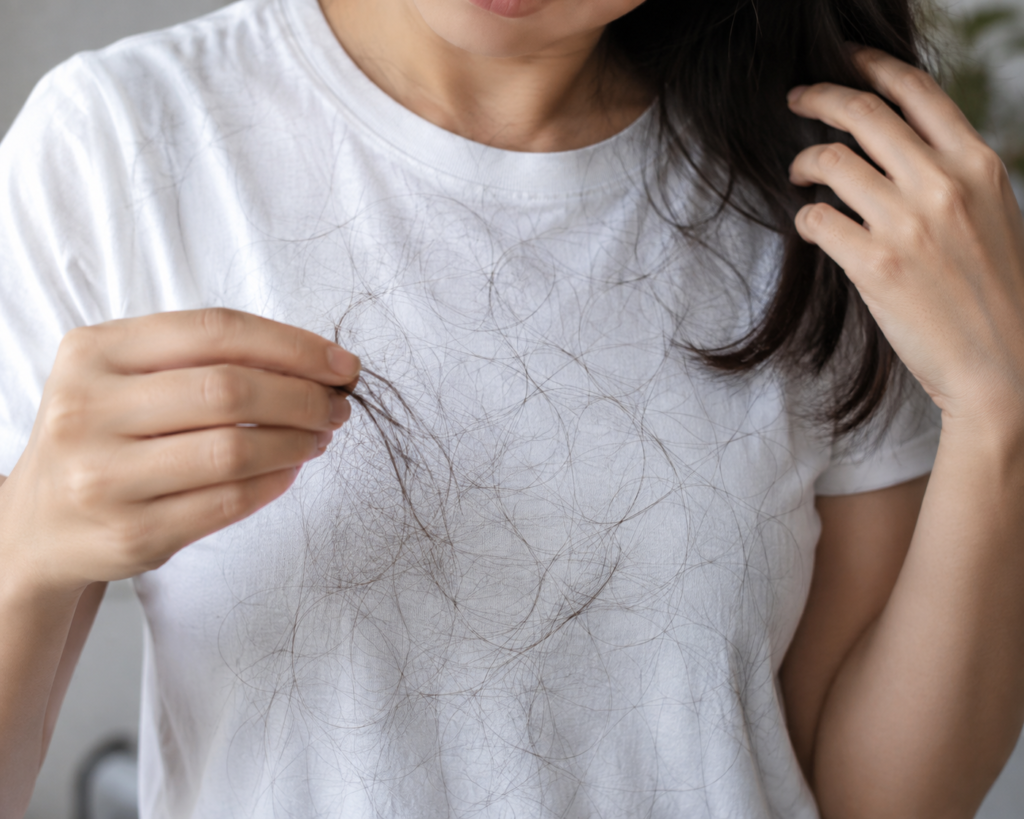
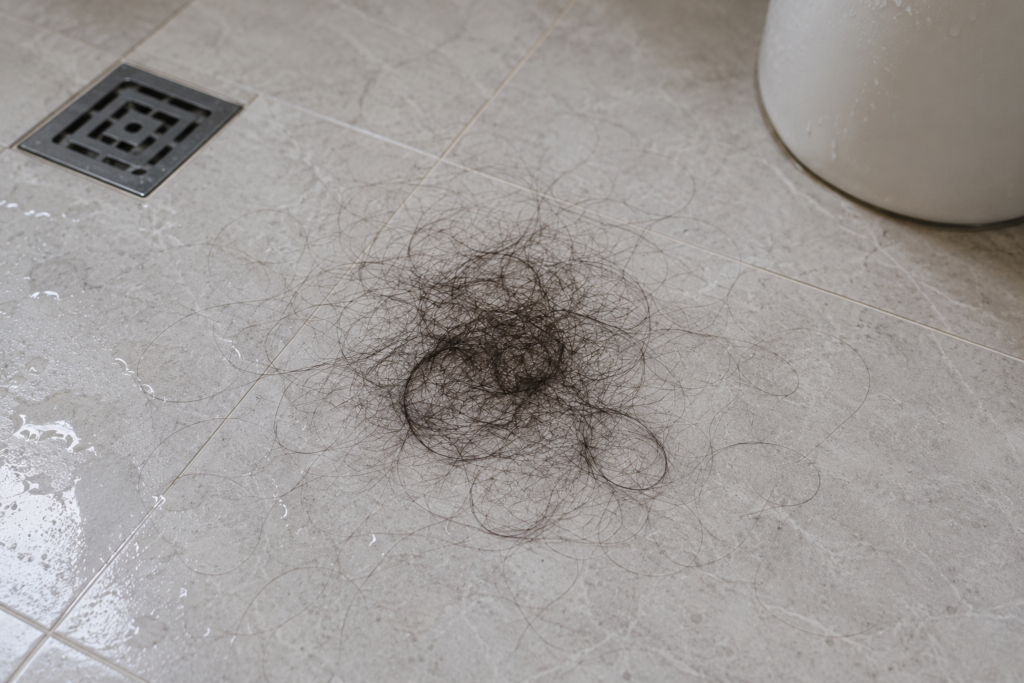
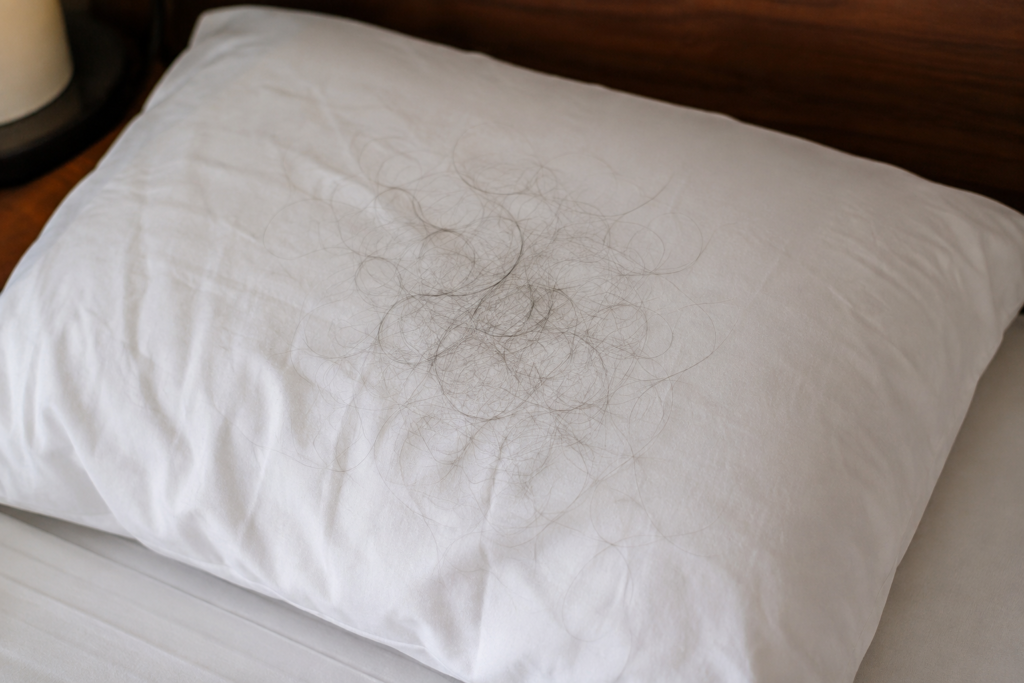
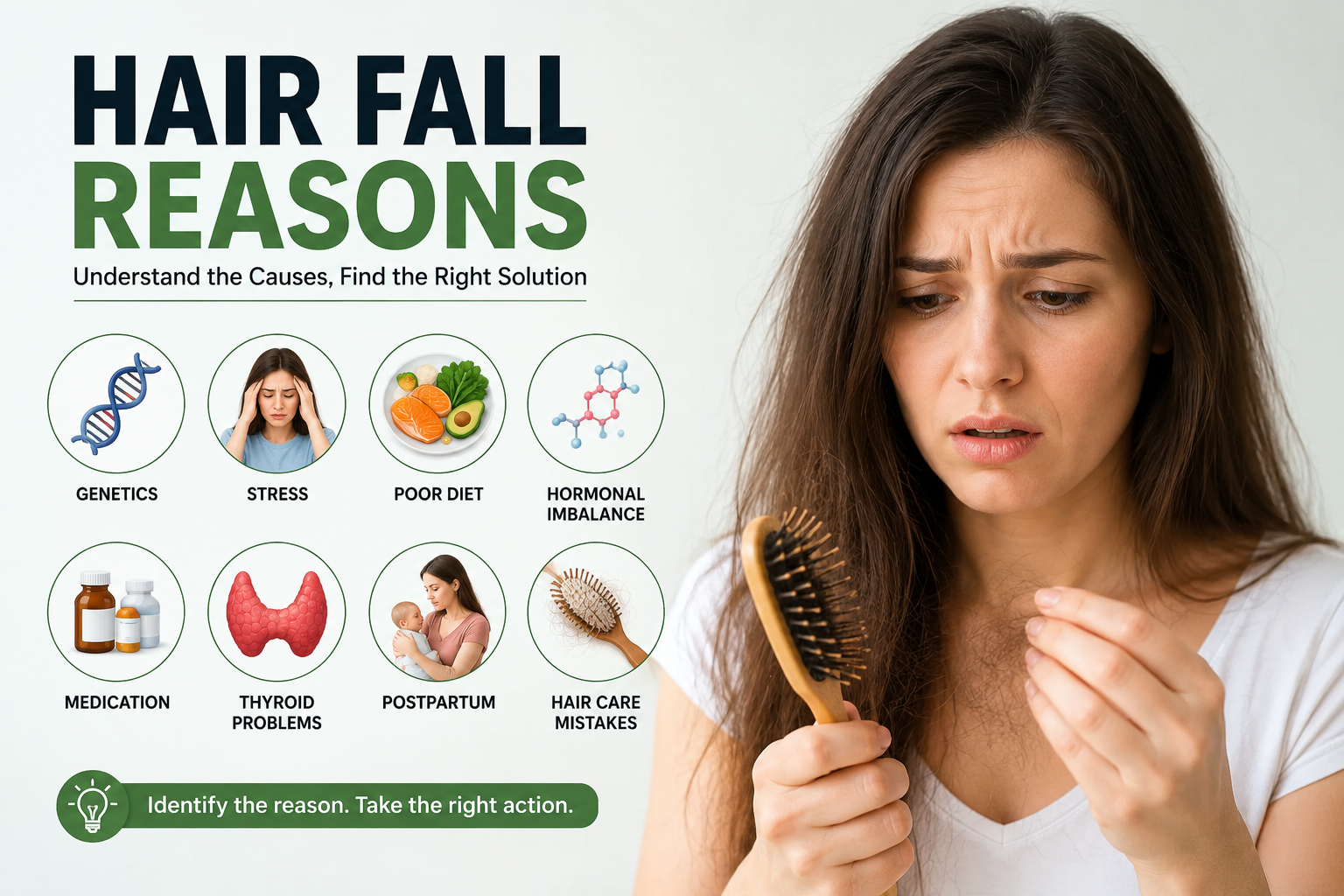
Hair fall reasons has many causes and Hair Fall Guide helps you to understand the problem ,
The real concern is when you start noticing much more hair is falling than usual, and started hair thinning, a receding hairline, bald patches, or visible changes in your scalp. like
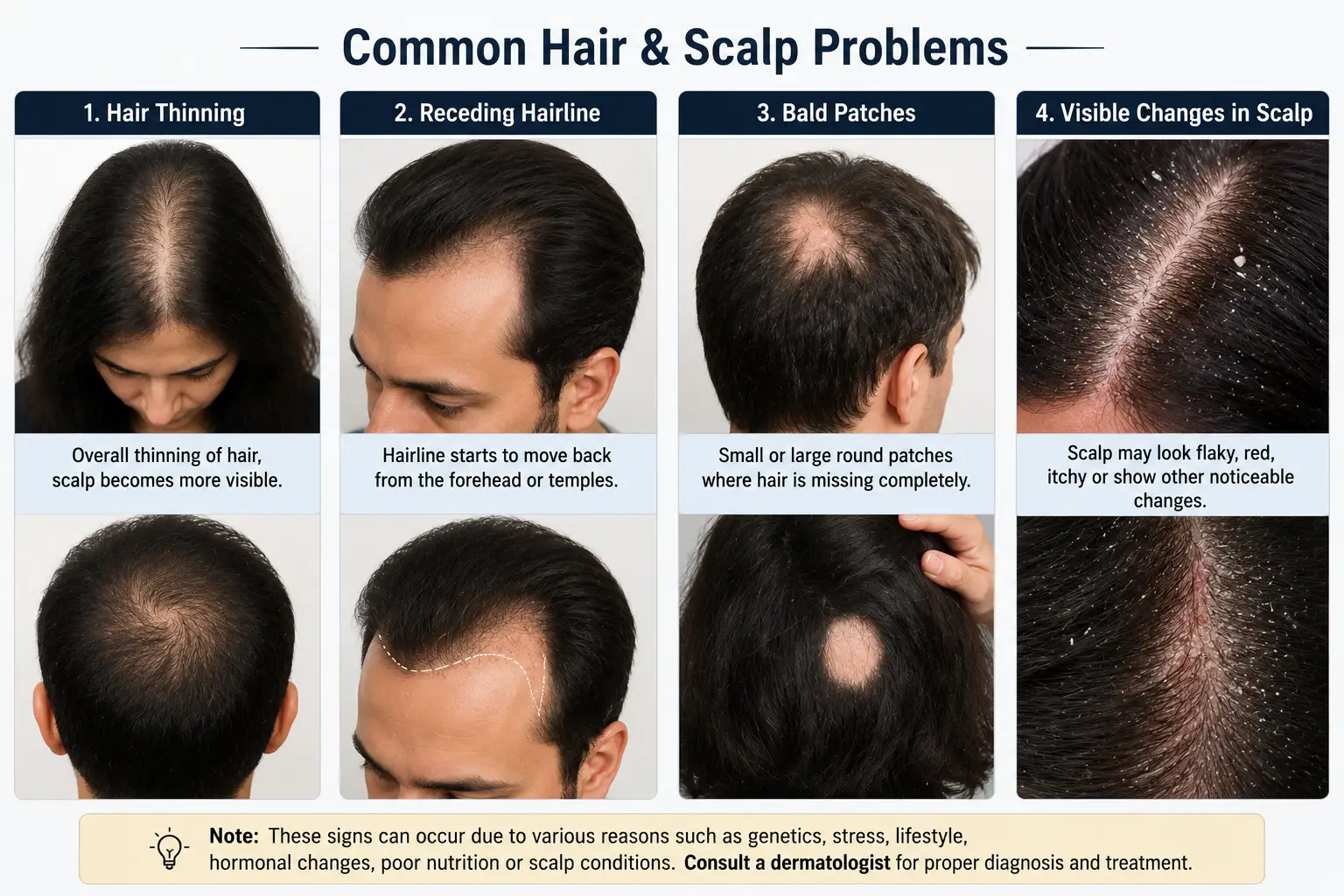
So now, let’s understand the logic behind it
Why does hair fall happen?
There are many more reasons to look like hair fall can be related to genetics, stress, nutrition, hormones, illness, medications, or even the way you take care of your hair. Let’s understand the most common reasons in simple language
1. Genetics and Family History
One of the most common reasons for hair loss is genetics. If your parents or any close family members experienced thinning hair or baldness, you may have a higher chance of experiencing it too. This is commonly called pattern hair loss. In men, it may appear as a receding hairline or thinning at the crown. In women, it often appears as overall thinning or a widening hair part.
2. Stress
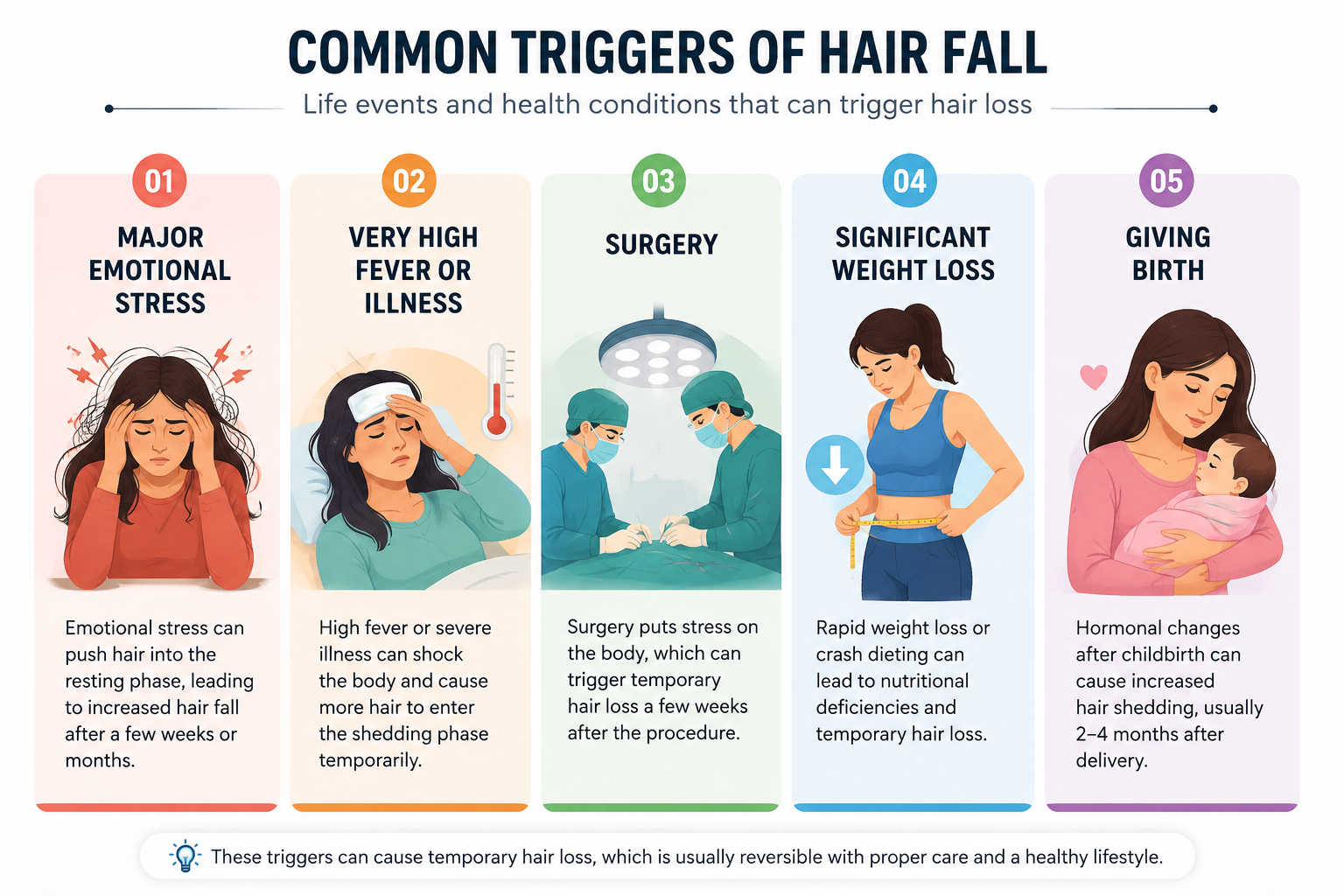
Stress is a very common thing in these days. Stress can affect many parts of your body, including your hair. A period of emotional stress may cause increased hair shedding. Interestingly, you may not notice the extra shedding immediately. It can appear a few months after the stressful event.
Examples include:
3. Poor Nutrition
If You are not getting enough iron, protein, zinc, or certain other nutrients then it is possible to lose your hair in your early’s, This can happen when someone:
- Follows a very restrictive diet
- Skips meals regularly
- Loses a lot of weight quickly
- Doesn’t eat enough protein-rich foods
- Has a nutritional deficiency
However, taking random hair supplements is not always the answer. It is better to identify what type of hair loss you are having.
4. Hormonal Changes
Hormones (like estrogen, progesterone, thyroid hormones (T3/T4), and melatonin) can have a significant effect on hair growth. Hair shedding or thinning can sometimes occur during hormonal changes associated with:
- Pregnancy
- After childbirth
- Menopause
- Thyroid problems
- Certain hormonal conditions
For some women, hormonal conditions such as Polycystic Ovary Syndrome (PCOS) can also be associated with thinning hair. If hair loss is accompanied by other unusual symptoms, talking with a healthcare professional can help identify the underlying cause.
5. Thyroid Problems
Your thyroid helps regulate many important functions in your body.
When the thyroid isn’t working properly, some people may experience thinning hair or increased hair shedding. And of course if you have any unexplained hair loss along with other symptoms that concern you, it may be worth discussing with a doctor.
6. Tight Hairstyles
Your hairstyle can also affect your hair. Frequently wearing hair tightly pulled into:
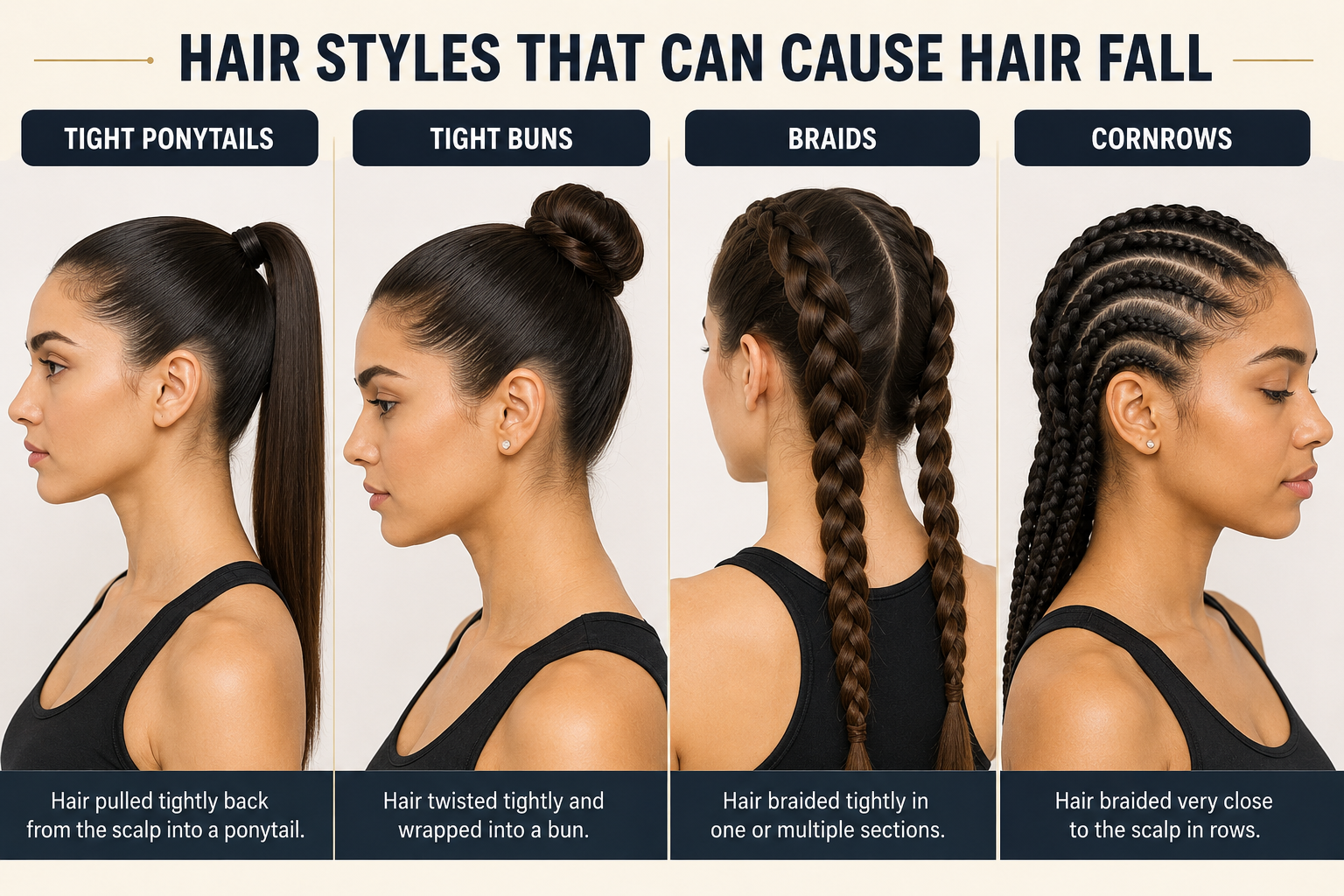
- Tight ponytails
- Tight buns
- Braids
- Cornrows
can put repeated tension on the hair follicles. This type of hair loss is called traction alopecia. The good news is that reducing the tension early can help prevent further damage. Long-term traction can sometimes lead to permanent hair loss.
7. Excessive Heat and Chemical Treatments
Often use of harsh hair treatments can damage the hair shaft. Examples include:
- Frequent straightening
- Chemical relaxing
- Perming
- Excessive coloring
- Very high heat from styling tools
- Aggressive hair treatments
Hair damage is not always the same as hair loss from the follicle. Sometimes damaged hair simply breaks, making it look like you’re losing more hair. Reducing harsh treatments and handling your hair gently can help reduce preventable damage.
Others to Look
A significant illness or high fever can sometimes trigger increased hair shedding. This may happen after the illness rather than during it, which can make it difficult to connect the two events. The American Academy of Dermatology notes that excessive shedding can occur after illness, high fever, surgery, or other major physical stress.
So, if you recently recovered from a major illness and then noticed increased shedding, the two may be connected.
Rapid Weight Loss
Losing a large amount of weight quickly can put stress on the body. When your body doesn’t receive enough calories or nutrients, hair growth may be affected. Significant weight loss is recognized as one possible trigger for excessive hair shedding. If you’re trying to lose weight, a balanced eating plan is generally better than extreme dieting.
Certain Medicines
Some medicines can cause hair loss or increased hair shedding as a side effect.
The medicines associated with hair loss can include certain treatments used for cancer, arthritis, depression, heart conditions, gout, and high blood pressure.
Important: Never stop a prescribed medicine on your own because you think it is causing hair loss.
Instead, speak with your doctor. They can determine whether the medicine could be contributing to the problem and whether an alternative is appropriate.
Scalp Infections and Skin Conditions
Some scalp conditions can contribute to hair loss. For example, ringworm of the scalp can cause hair loss and may be associated with scaling, redness, broken hairs, or other scalp changes. Other scalp or inflammatory conditions can also affect hair growth. If your scalp is painful, very itchy, swollen, scaly, or developing unusual patches of hair loss, it’s a good idea to get it checked.
Alopecia Areata
Sometimes the immune system mistakenly attacks hair follicles. This condition is called alopecia areata. It can cause round or patchy areas of hair loss and can affect the scalp, eyebrows, beard, or other parts of the body.Patchy hair loss should not automatically be assumed to be ordinary hair shedding. A dermatologist can help determine the cause.
Age
Hair growth naturally changes as we get older. For many people, hair becomes thinner with age because hair growth slows and some follicles eventually stop producing hair. Age-related thinning can be gradual, so you may not notice it immediately.
Hair Shedding vs. Hair Loss: What’s the Difference?
This is an important distinction.
Hair shedding means your body is releasing hairs as part of the normal hair-growth cycle. Losing around 50–100 hairs a day can be normal. Hair loss means something is interfering with normal hair growth or causing the follicles to stop producing hair. For example, a receding hairline, noticeable bald spot, or progressive thinning may indicate actual hair loss rather than normal shedding. Sometimes a person can experience both increased shedding and hair loss.
When Should You See a Doctor?
You don’t necessarily need to panic when you see a few hairs falling out. However, consider speaking with a doctor or dermatologist if you notice:
- Sudden hair loss
- Round or unusual bald patches
- Rapidly thinning hair
- A rapidly receding hairline
- Significant hair loss while washing or brushing
- Scalp pain, redness, swelling, or scaling
- Hair loss involving your eyebrows or other body areas
- Hair loss that continues or worries you
Sudden or patchy hair loss can sometimes be related to an underlying condition that needs attention.
What Can You Do About Hair Fall?
The first step is finding the reason. There is no single hair-loss treatment that works for everyone because different causes require different approaches. Some simple habits may help protect your hair:
- Eat a balanced diet with adequate protein and nutrients.
- Avoid crash diets and extreme weight loss.
- Avoid hairstyles that constantly pull on your scalp.
- Reduce excessive heat and harsh chemical treatments.
- Handle wet hair gently.
- Don’t take high-dose supplements without a reason.
- Pay attention to changes in your scalp and hair pattern.
- Get professional advice if hair loss is sudden, severe, or persistent.
The American Academy of Dermatology emphasizes that identifying the underlying cause is an important part of managing hair loss.
Final Say
Hair fall can happen for many different reasons, and seeing some hair in your comb doesn’t automatically mean you’re going bald. Genetics, stress, nutritional problems, hormonal changes, illness, medications, tight hairstyles, and certain scalp conditions can all play a role.
The most important thing is not to immediately blame one product or one habit. Instead, look at the bigger picture: when did the hair fall start, how quickly is it happening, what does the pattern look like, and have there been any recent changes in your health, diet, stress, or lifestyle?
If your hair loss is sudden, patchy, severe, or persistent, getting the cause checked by a qualified healthcare professional is a sensible next step.
Medical Disclaimer
This article is for general educational purposes only and is not a substitute for professional medical advice, diagnosis, or treatment. Hair loss can have many different causes. If you are concerned about significant, sudden, or persistent hair loss, consult a qualified doctor or dermatologist.